Ten Drinks That Help Reduce Pain and Inflammation Naturally

Inflammation is the body’s built-in defense system. When you experience an injury, infection, or illness, your immune system triggers inflammation to protect and heal damaged tissue. This process increases blood flow and sends immune cells to the affected area, which often causes redness, swelling, warmth, and pain. In the short term, inflammation is helpful and necessary. The problem begins when inflammation becomes chronic or appears without an obvious threat.
Long-term inflammation has been linked to conditions such as arthritis, heart disease, diabetes, autoimmune disorders, and persistent joint or muscle pain. While medication is sometimes necessary, diet also plays a powerful role in calming inflammatory responses. Certain beverages contain natural compounds that may help reduce inflammation, support recovery, and ease discomfort over time.
Below are ten drinks that may help fight pain and inflammation when consumed regularly as part of a balanced lifestyle.
Turmeric Tea
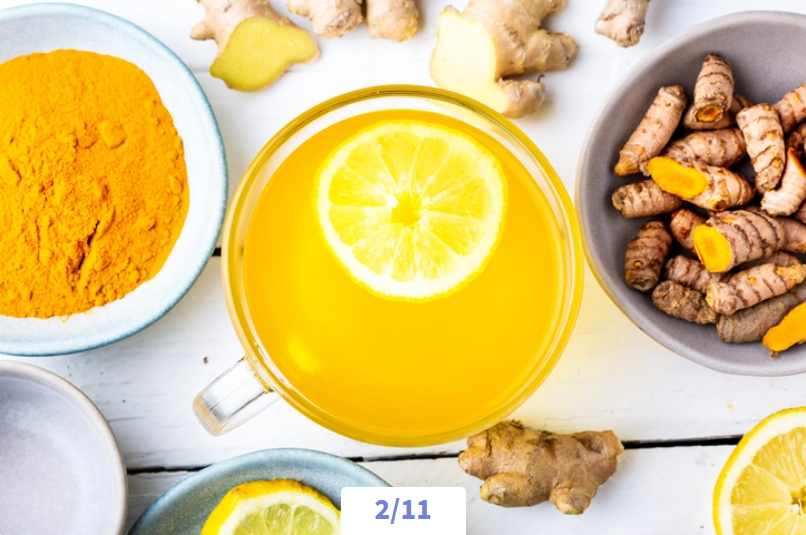
Turmeric tea is widely recognized for its anti-inflammatory potential, largely due to a compound called curcumin. Curcumin has been shown to interfere with inflammatory pathways in the body by blocking specific enzymes and signaling molecules involved in inflammation. It also acts as a powerful antioxidant, neutralizing free radicals that can worsen inflammatory damage.
Clinical research suggests that people with inflammatory joint conditions, such as arthritis, may experience reduced pain and improved mobility when curcumin is consumed consistently over several weeks. Some studies even indicate that curcumin’s pain-relieving effects may rival those of common over-the-counter pain relievers, without the same gastrointestinal risks.
Ginger Tea
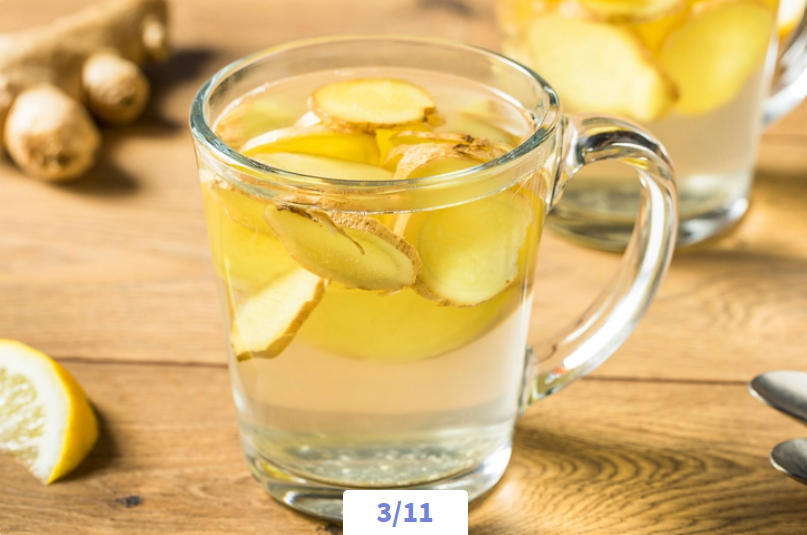
Ginger has been used medicinally for centuries, and modern science supports many of its traditional uses. The active compounds gingerol and shogaol help reduce the production of inflammatory chemicals in the body. Ginger tea is commonly used to ease joint stiffness, muscle soreness, and digestive discomfort.
Research shows ginger may reduce pain and improve physical function in people with osteoarthritis. It has also been found to lessen muscle soreness after intense exercise and reduce menstrual pain with effectiveness comparable to nonsteroidal anti-inflammatory drugs. Emerging evidence even suggests ginger may help reduce the severity of migraine attacks.
Tart Cherry Juice
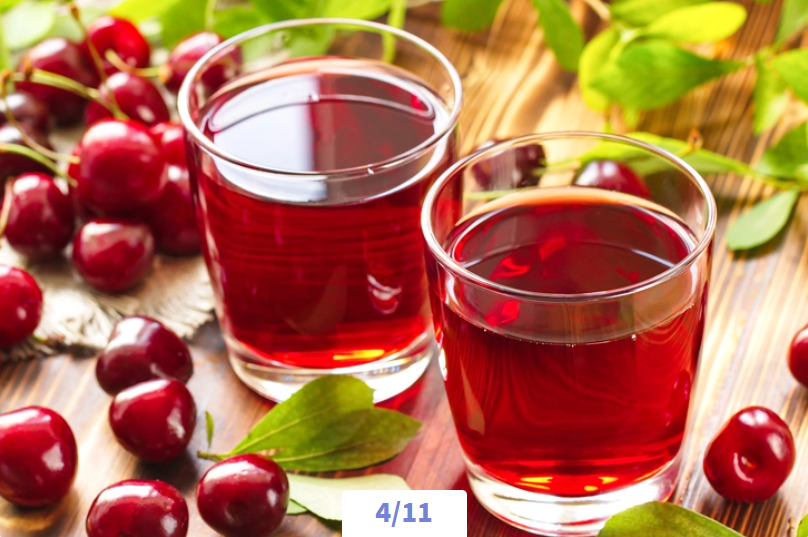
Tart cherry juice is rich in anthocyanins, antioxidants that give cherries their deep red color and strong anti-inflammatory properties. These compounds help protect cells from oxidative stress and may reduce inflammation-related pain.
Studies suggest tart cherry juice may lower the frequency of gout attacks by helping regulate uric acid levels. Athletes and physically active individuals have also reported reduced muscle soreness and faster recovery when consuming tart cherry juice regularly, likely due to its ability to calm exercise-induced inflammation.
Green Tea
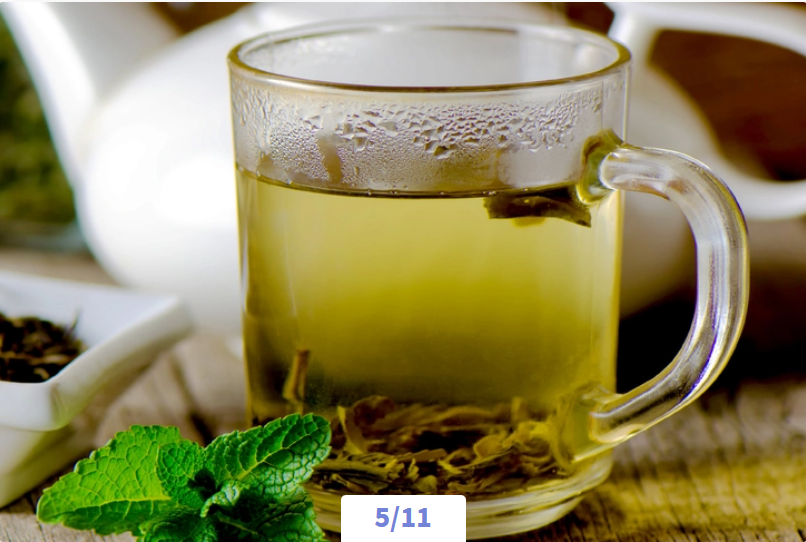
Green tea contains a potent antioxidant known as epigallocatechin gallate, or EGCG. This compound has been shown to block inflammatory signaling pathways and may protect tissues from chronic inflammatory damage.
Research suggests green tea may help reduce inflammation associated with joint disorders, digestive conditions such as inflammatory bowel disease, and even neuroinflammation linked to cognitive decline. Green tea also contains L-theanine, an amino acid that promotes calmness and mental focus while potentially reducing stress-related inflammation.
Matcha Latte

Matcha is a concentrated form of green tea made by consuming finely ground tea leaves. Because the whole leaf is ingested, matcha delivers higher levels of catechins, including EGCG, along with L-theanine.
Studies indicate that regular matcha consumption may lower inflammatory markers and support immune health. Some research has shown improvements in gum inflammation among people with gingivitis after daily matcha intake. Matcha lattes can be made with dairy or plant-based milk alternatives, making them adaptable to various diets.
Pineapple Juice

Pineapple contains bromelain, an enzyme with well-documented anti-inflammatory and pain-relieving effects. Bromelain helps break down proteins involved in swelling and may interfere with pain-triggering molecules in the body.
Research suggests bromelain may reduce pain following dental procedures, ease menstrual discomfort, and help manage symptoms of inflammatory joint conditions such as osteoarthritis. Pineapple juice provides a convenient way to consume bromelain, though fresh pineapple contains the highest concentrations.
Beet Juice

Beet juice is known for its cardiovascular benefits, but it also has strong anti-inflammatory properties. Beets contain nitrates that improve blood flow and oxygen delivery, along with betalains, pigments responsible for their deep red color that help reduce inflammation.
Studies have found beetroot juice may lower inflammatory markers in people with high blood pressure and type 2 diabetes. It has also been linked to faster muscle recovery after exercise, making it popular among athletes and individuals with physically demanding routines.
Blueberry Smoothies
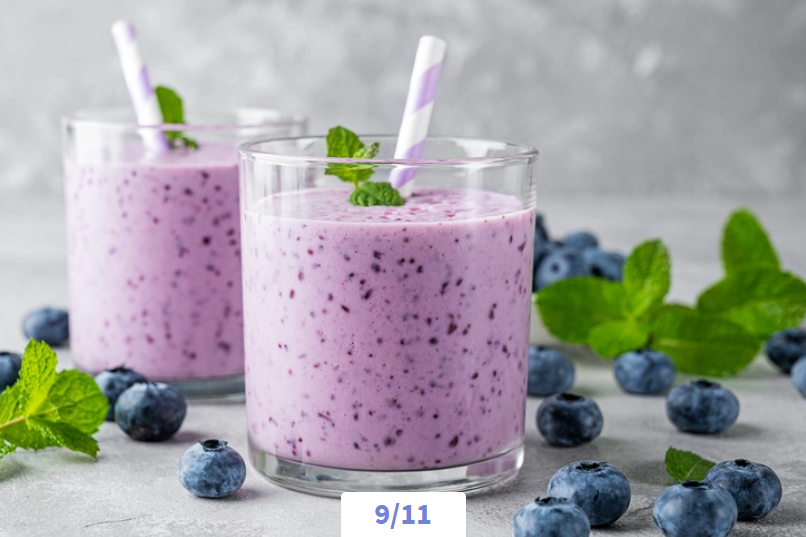
Blueberries are packed with anthocyanins that help neutralize free radicals and protect against inflammation-driven tissue damage. These antioxidants have been studied for their role in reducing joint pain, stiffness, and mobility issues.
Research involving individuals with knee osteoarthritis has shown improvements in pain and daily function after consistent blueberry consumption. Animal studies also suggest blueberries may help reduce inflammation related to stress and kidney injury. Blending blueberries into smoothies makes them easy to incorporate into daily meals.
Warm Lemon Water

Warm lemon water offers hydration along with anti-inflammatory benefits. Lemons are rich in vitamin C, which is essential for collagen production. Collagen plays a key role in maintaining healthy cartilage, tendons, and connective tissue.
Vitamin C also functions as an antioxidant, helping reduce cellular damage caused by inflammation. Lemons contain compounds such as limonene, which animal studies suggest may have additional anti-inflammatory effects. Drinking warm lemon water in the morning may support joint health while aiding digestion.
Herbal Infusions
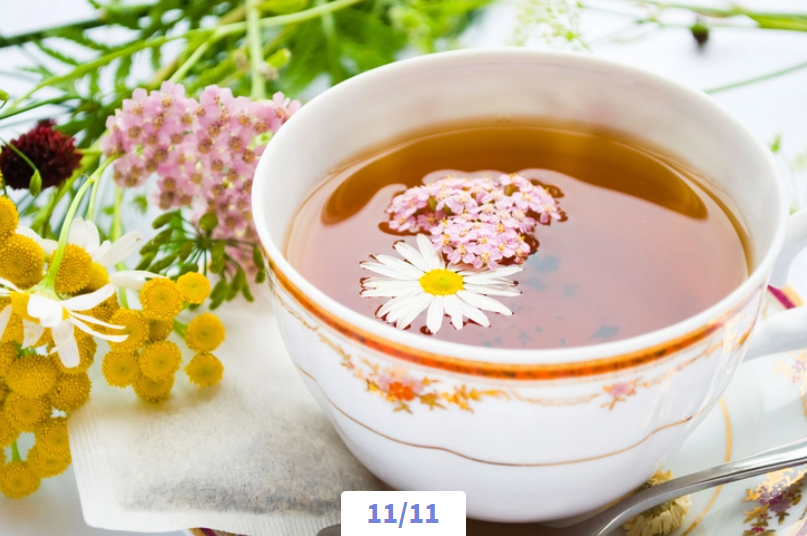
Herbal infusions such as chamomile and rooibos have long histories of medicinal use. These herbs contain flavonoids and other antioxidants that help reduce inflammation and oxidative stress.
Chamomile has been used to soothe joint pain, muscle tension, digestive cramps, and inflammatory skin conditions. Studies suggest it may reduce gum inflammation and support digestive health. Rooibos contains unique antioxidants that may help protect cells from inflammatory damage and support overall immune balance.
Final Thoughts
While no single drink can eliminate chronic inflammation on its own, incorporating anti-inflammatory beverages into your daily routine may support pain management, recovery, and long-term health. These drinks work best alongside a balanced diet, regular movement, adequate sleep, and medical guidance when needed.
If you have an inflammatory condition or persistent pain, consult a healthcare professional before making significant dietary changes. Used thoughtfully, these natural drinks can be a simple yet powerful addition to an inflammation-conscious lifestyle.